Served with Geraniums

A few years ago, I developed a small (literary) obsession with geraniums. These flowers, which are actually pelargoniums, are everywhere in Canadian literature. From the nineteenth century to the present, this domesticated exotic has proven itself extremely versatile in the imaginations of our writers.
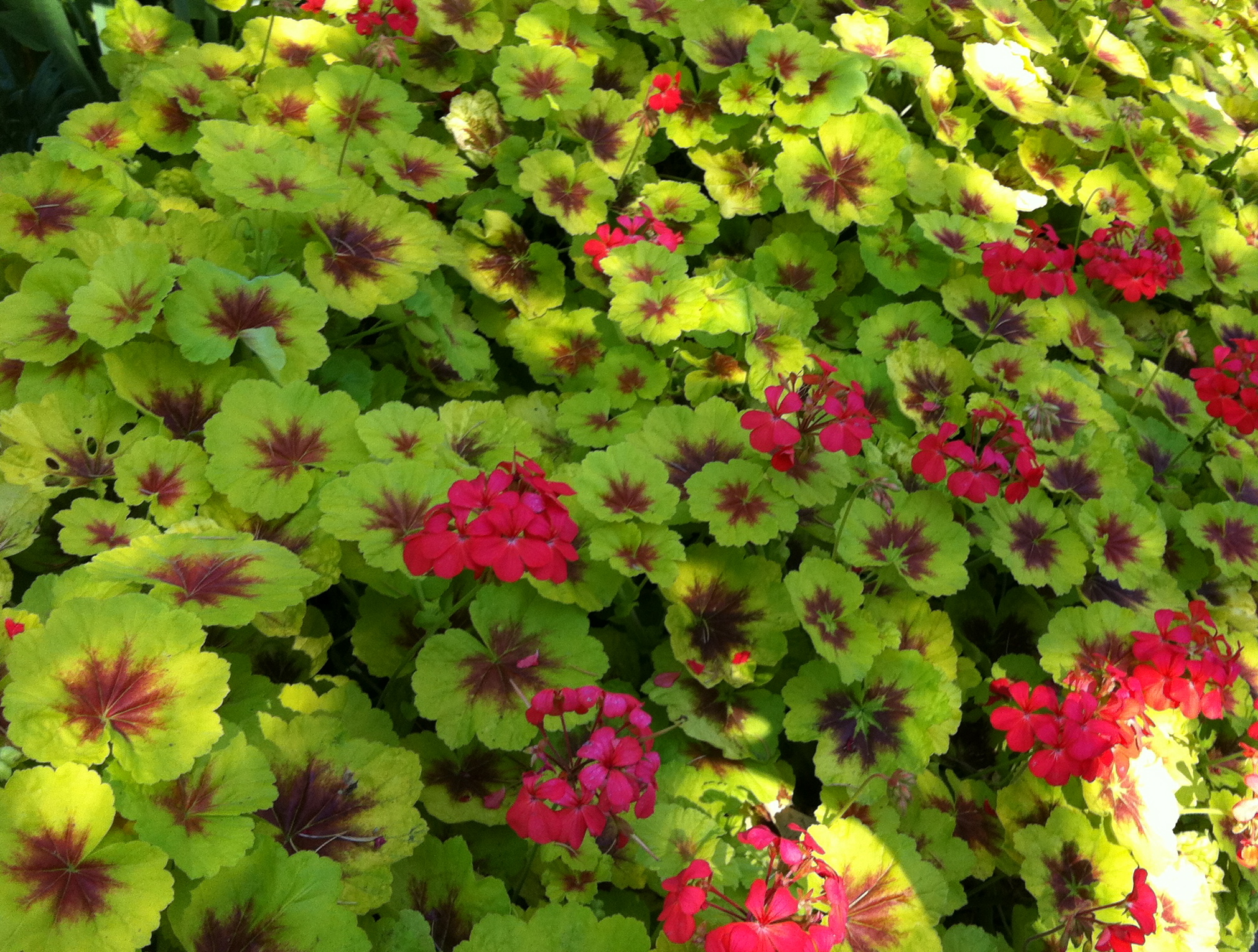
During my initial research, I located a number of references to the geranium’s culinary uses, but at the time, I had to set these aside. Now, in the spirit of summertime fare, I can’t resist exploring my geranium inventory a little further.

Enthusiasts of author L.M. Montgomery will recall that Marilla Cuthbert has an apple-scented geranium growing in her kitchen window. During her first morning at Green Gables, Anne names this plant “Bonny.” It’s a sentimental gesture, a sign of this orphan’s desire for a loving home (Boyd 83-84). In their documentation of this scene, the editors of The Annotated Anne of Green Gables state that as a kitchen herb, the geranium’s leaves “were used sometimes in flavourings” (81). Although we never see Marilla cooking with geraniums, a quick internet search produces numerous recipes: geranium flavoured cakes, sauces, and teas.
Continue reading
The Carrot Poet

With summer in full bloom, it’s time to enjoy Canadian Literary Fare al fresco. Whether it’s a barbecue in the backyard, a picnic in the park, or a beverage on the terrace, it’s nice to have a good book close at hand.

When summer arrives, I think of gardening and the poet Lorna Crozier.


Continue reading

Charlottetown’s Hungry Hearts

Welcome to Charlottetown, Prince Edward Island and the birthplace of Confederation!

A tour of Charlottetown’s literary fare would not be complete without a mention of the island’s most famous author L.M. Montgomery and the iconic 1908 novel Anne of Green Gables.

Although this young orphan grows up in the country near the town of Avonlea, Anne makes memorable trips to the capital. In the chapter “An Epoch in Anne’s Life,” a young Anne is invited to travel with her friend Diana Barry to visit wealthy Aunt Josephine Barry. Miss Barry takes the girls to the Exhibition grounds where many Avonlea residents are in attendance, winning competitions for their prized agricultural products and home-made edible goods.

The next evening, the girls attend a concert at the Academy and afterwards go to a restaurant for ice cream at 11:00 p.m. Oh the decadence of city life—Anne isn’t sure at first how she will “ever return to common life again” (270). But upon reflection, she realizes what she truly values:

It’s nice to be eating ice-cream at brilliant restaurants . . . once in awhile; but as a regular thing I’d rather be in the east gable at eleven, sound asleep, but kind of knowing even in my sleep that the stars were shining outside and that the wind was blowing in the firs across the brook” (270).

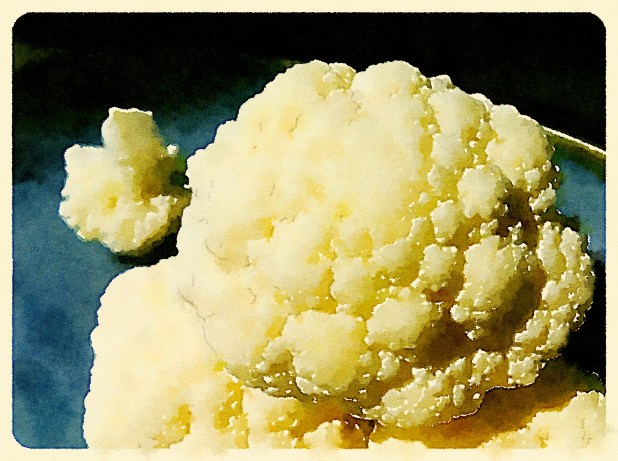
Painted in Waterlogue

Photo Credit: Shelley Boyd


Continue reading

Pile of Bones

For our final entry on Regina, we are featuring

 Regina resident and writer Jes Battis.

Jes Battis is the author of a series of novels featuring protagonist Tess Corday, an occult special investigator who lives and works in Vancouver. His first book, Night Child, was shortlisted for the 2008 Sunburst Award for Excellence in Canadian Literature of the Fantastic. In addition to his creative work, Battis is an Associate Professor who teaches in the English Literature and Creative Writing programs at the University of Regina. In the academic world, Battis has authored and edited a number of monographs and collections, including most recently Mastering the Game of Thrones: Essays on George R.R. Martin’s A Song of Fire and Ice (McFarland, 2015), which he co-edited with U of R professor Susan Johnston.

Originally from British Columbia, Battis has found inspiration in his adopted home on the prairies. Under the pen name Bailey Cunningham, Battis authored the 2013 fantasy novel Pile of Bones: A Novel of the Parallel Parks, which is set in Regina.

51OHHa4MW7L._SY344_BO1,204,203,200_

Some of you may not be aware that Regina was once called “Pile of Bones.” The City of Regina’s website explains the background of this name and its connection to traditional aboriginal foodways prior to the agricultural settlement of the prairies and the near-elimination of the bison:
Continue reading