Drinking Food

Drink of all kinds populates Canadian literature and over the next few months we aim to sample some of it, nay imbibe, though purely in the name of research. The cupboard doors to my liquor cabinet have been thrown open and its contents scrupulously examined . . . for something other than a growing assortment of champagne flutes and, inexplicably, several tiny bottles of Poire Williams eau de vie.

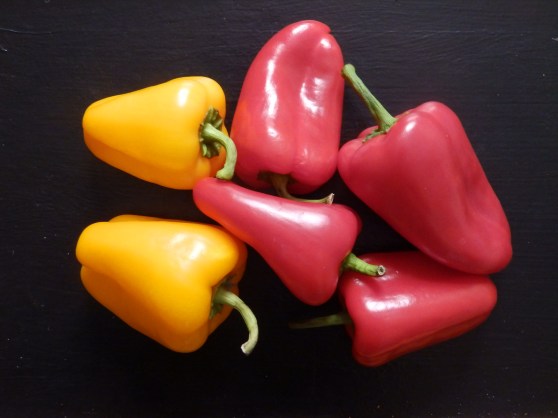
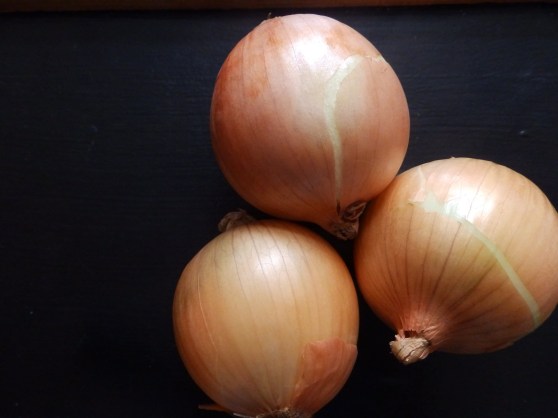
Who better than Austin Clarke to begin the proceedings. In his culinary memoir Pig Tails ‘n Breadfruit, he has dedicated an entire chapter to “drinking food.” For, as his mother sagely advised, “If you know that you going be drinking a lot o’ liquor in the evening, you make-sure that you line your stomach with some good food, hear!” (239). Clarke proposes biscuits with cheese, cou-cou and salt fish, or corned beef with fried peppers and onions.

OLYMPUS DIGITAL CAMERA

I opted for the corned beef. Though I must admit to having later replaced it with a little smoked meat. This is Montreal after all and what is beef if it’s not pickled and smoked.
OLYMPUS DIGITAL CAMERA

OLYMPUS DIGITAL CAMERA

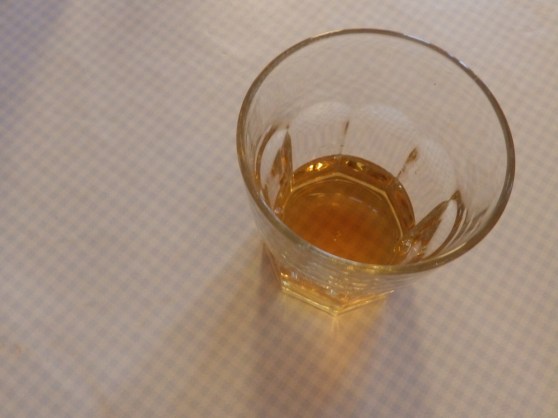
Serve with a side dish of hot pepper sauce and a main dish of rum, “straight, man!” (238).

OLYMPUS DIGITAL CAMERA

OLYMPUS DIGITAL CAMERA


Clarke, Austin. Pig Tails ‘n Breadfruit: Rituals of Slave Food : a Barbadian Memoir. New York: The New Press, 1999. Print.


Photos and Text by Alexia Moyer
Great Eggspectations

Recipe Notes

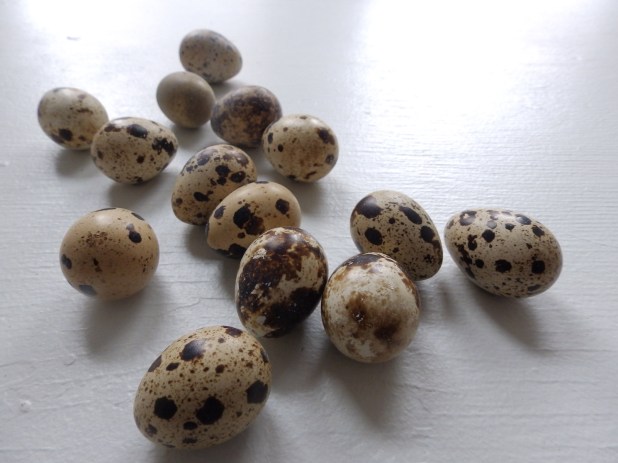
The first chapter of Gina Mallet’s memoir/food manifesto Last Chance to Eat: The Fate of Taste in a Fast Food World, is devoted to the egg. The imperiled egg: the unfortunate victim of food science and factory farming. Mallet, whose world war two childhood in Britain was virtually eggless (unless you count the dried variety), has become champion to the egg.

And with this responsibility comes scads of recipes and remembrances of meals past. Eggs of all sorts populate this chapter: oeufs mayonnaise, oeufs en cocotte, oeufs à la Polignac, mousse au chocolat.

HARD BOILED

Continue reading

Meals Turn a Narrative Plot in Surprising Directions

The Birthday Lunch

The Birthday Lunch

Continue reading

Served with Geraniums

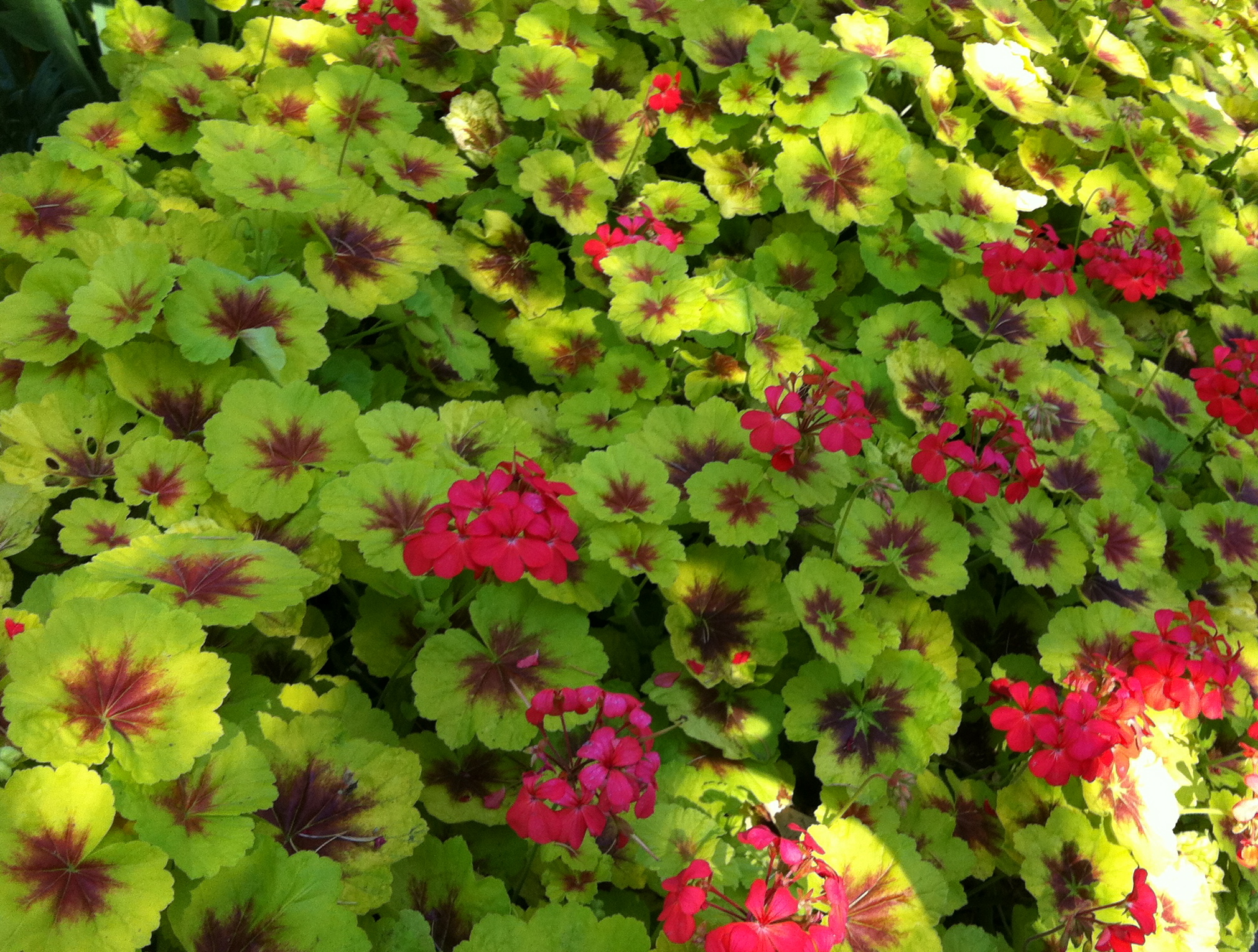
A few years ago, I developed a small (literary) obsession with geraniums. These flowers, which are actually pelargoniums, are everywhere in Canadian literature. From the nineteenth century to the present, this domesticated exotic has proven itself extremely versatile in the imaginations of our writers.

During my initial research, I located a number of references to the geranium’s culinary uses, but at the time, I had to set these aside. Now, in the spirit of summertime fare, I can’t resist exploring my geranium inventory a little further.

Enthusiasts of author L.M. Montgomery will recall that Marilla Cuthbert has an apple-scented geranium growing in her kitchen window. During her first morning at Green Gables, Anne names this plant “Bonny.” It’s a sentimental gesture, a sign of this orphan’s desire for a loving home (Boyd 83-84). In their documentation of this scene, the editors of The Annotated Anne of Green Gables state that as a kitchen herb, the geranium’s leaves “were used sometimes in flavourings” (81). Although we never see Marilla cooking with geraniums, a quick internet search produces numerous recipes: geranium flavoured cakes, sauces, and teas.
Continue reading